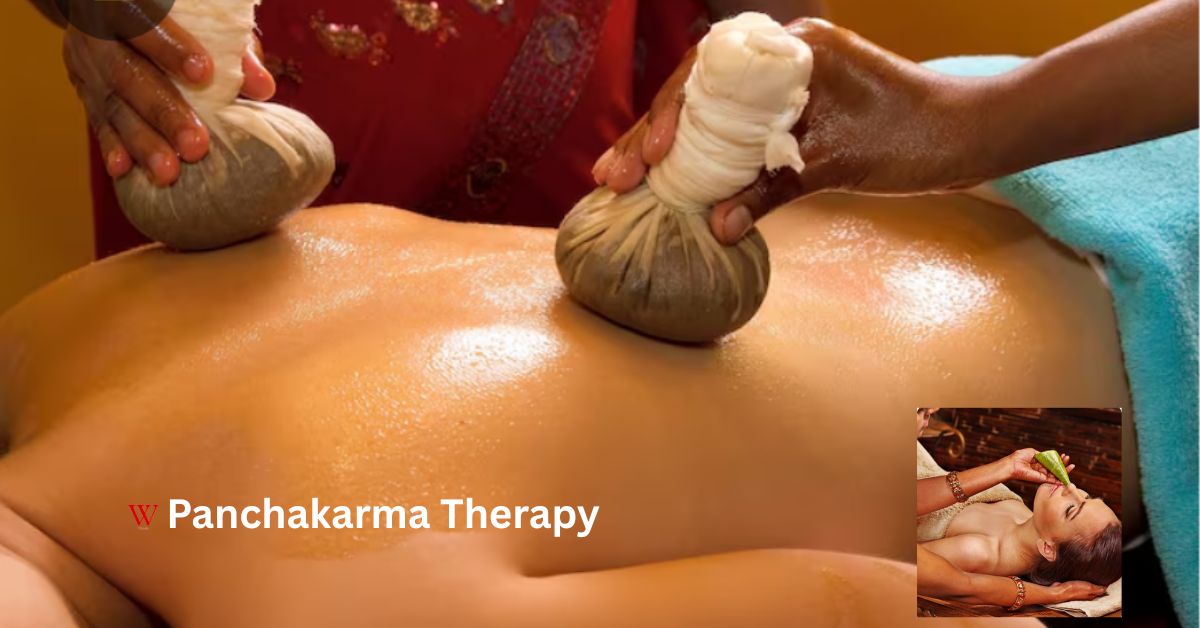
Panchakarma is a comprehensive Ayurvedic detoxification system comprising five therapeutic procedures (Vamana, Virechana, Basti, Nasya, Raktamokshana) designed to eliminate deep-seated toxins (ama), restore dosha balance, and rejuvenate body systems-a 3,000-year-old practice now validated by modern scientific research.
Introduction
What if ancient Indian physicians understood cellular detoxification so profoundly that their 3,000-year-old protocols are now being validated by cutting-edge research on oxidative stress and telomere health? It sounds almost impossible, yet recent studies from institutions worldwide are discovering what Ayurvedic practitioners have known since the Vedic era: the body possesses innate intelligence for deep healing when toxins are systematically removed.
Panchakarma-literally “five actions” in Sanskrit-represents one of humanity’s most sophisticated therapeutic systems. While modern medicine has only recently begun understanding the cellular damage caused by environmental toxins, metabolic waste, and oxidative stress, ancient Indian sages developed precise protocols to eliminate these impurities at their deepest levels.
Have you ever wondered why you still feel exhausted despite eating well and exercising? Or why chronic inflammation persists despite medications? The answer might lie in ama-the Ayurvedic concept of deep-rooted toxins that contemporary science is now recognizing as inflammatory markers, free radicals, and metabolic waste products.
In this comprehensive exploration, we’ll journey through the ancient texts that first described Panchakarma, examine the modern research validating its therapeutic claims, and discover how this timeless wisdom offers solutions to today’s most pressing health challenges. Whether you’re seeking relief from chronic conditions or pursuing optimal wellness, understanding Panchakarma reveals a bridge between ancient intuition and modern validation.
Panchakarma In Ancient Indian Texts: The Vedic Evidence
The roots of Panchakarma extend deep into India’s medicinal heritage, systematically documented in texts that predate modern medical understanding by millennia. These weren’t mere philosophical musings-they were detailed clinical protocols based on centuries of observation, refinement, and therapeutic success.
The Charaka Samhita: Medicine’s Ancient Masterpiece
The Charaka Samhita, believed to have been composed between 400-200 BCE, stands as one of Ayurveda’s foundational treatises. This comprehensive text, attributed to the sage Charaka and later revised by Dṛḍhabala, dedicates extensive sections to Panchakarma as the cornerstone of purification therapy. The text describes these procedures not as isolated treatments, but as part of a holistic system understanding human physiology through the lens of the three doshas-Vata, Pitta, and Kapha.
In Sanskrit, the Charaka Samhita states:
“पञ्च कर्माणि शोधनानि शरीरस्य मलशुद्धये”
(Pancha karmani shodhanani sharirasya mala-shuddhaye)
“Five actions for purification eliminate the deep impurities of the body.”
What’s remarkable is how these ancient physicians understood that toxins accumulate in layers-some superficial, others lodged deep within tissues (dhatus) and channels (srotas). Modern science now recognizes this concept through studies on bioaccumulation, where environmental toxins, heavy metals, and metabolic waste products embed themselves in adipose tissue, organs, and cellular structures.
The Sushruta Samhita: Surgical Precision Meets Detoxification
While the Sushruta Samhita is primarily celebrated for its surgical innovations, it provides equally detailed accounts of Panchakarma procedures. Sushruta, the legendary surgeon-sage, understood that successful surgery required a purified, balanced internal environment. His text describes meticulous preparatory protocols (Purvakarma) involving oleation (Snehana) and sudation (Swedana)-processes that modern research now shows help mobilize lipophilic toxins from tissues.
The Sushruta Samhita documents over 700 medicinal herbs used in Panchakarma, describing their taste (rasa), potency (virya), post-digestive effect (vipaka), and therapeutic action (prabhava). This level of pharmaceutical sophistication challenges the notion that ancient medicine was unsystematic or unscientific.
The Three Phases: An Ancient Protocol of Stunning Precision
Ancient Ayurvedic texts outline Panchakarma as a three-phase journey:
- Purvakarma (Preparatory Phase): Before the main cleansing procedures, the body undergoes:
- Snehana (Oleation): Internal consumption of medicated ghee and external oil massage to lubricate tissues and mobilize fat-soluble toxins
- Swedana (Sudation): Therapeutic sweating through steam therapy to open channels and liquefy toxins for elimination
- Pradhana Karma (Main Treatment): The five primary procedures:
- Vamana (वमन) – Therapeutic emesis
- Virechana (विरेचन) – Purgation therapy
- Basti (बस्ति) – Medicated enema
- Nasya (नस्य) – Nasal administration
- Raktamokshana (रक्तमोक्षण) – Bloodletting (rarely practiced today)
- Paschatkarma (Post-Treatment): Gradual restoration of digestive fire (agni) and tissue strength through specific dietary protocols and lifestyle practices.
This systematic approach-prepare, cleanse, restore-mirrors modern understanding of detoxification phases: toxin mobilization, biotransformation, and elimination.
The Legend of Dhanvantari: Divine Origins
Ayurvedic tradition attributes the knowledge of medicine to Dhanvantari, the physician of the gods, who emerged from the cosmic ocean during the churning of the milk sea (Samudra Manthan). While mythology and medicine intertwine in these accounts, they reveal something profound: ancient Indians viewed health knowledge as sacred, worthy of preservation and reverent transmission across generations.
The reverence for this wisdom ensured its survival through oral traditions, palm leaf manuscripts, and dedicated lineages of practitioners-a medical heritage that has remained unbroken for over three millennia.
What Modern Science Says About Panchakarma
For centuries, Panchakarma existed primarily within traditional practice, its mechanisms understood through Ayurvedic principles but unexamined by modern scientific methodology. That landscape has shifted dramatically over the past two decades, as researchers worldwide have begun subjecting these ancient protocols to rigorous clinical investigation.
The Metabolomic Revolution: Measuring Cellular Changes
A groundbreaking 2016 study published in Scientific Reports (Nature Publishing Group) examined metabolic changes following Panchakarma treatment. Researchers identified altered metabolomic profiles in participants who underwent the complete protocol, revealing changes in lipid metabolism, inflammatory markers, and oxidative stress indicators. The study’s lead researchers noted improved psychosocial outcomes and enhanced stress resilience-measurable validation of subjective improvements reported for millennia.
What’s particularly striking is that these changes occurred at the cellular level. Modern analytical techniques can now detect shifts in metabolites, amino acids, and bioactive compounds that ancient physicians could only observe through pulse diagnosis, tongue examination, and symptom assessment.
Oxidative Stress and Telomere Length: The Anti-Aging Connection
Perhaps the most exciting contemporary research links Panchakarma to cellular aging. A comprehensive review in 2025 documented that Panchakarma’s detoxification methods led to significant reductions in oxidative stress-the primary driver of cellular aging and chronic disease. Free radicals, those unstable molecules that damage DNA, proteins, and cellular membranes, accumulate from environmental toxins, metabolic processes, and chronic inflammation.
Even more remarkable: emerging research suggests connections between Panchakarma-related practices and telomere health. Telomeres-the protective caps on chromosome ends that shorten with each cell division-serve as biological age markers. Studies on related Ayurvedic interventions, including meditation and Rasayana (rejuvenation) therapies often combined with Panchakarma, show increased telomerase activity (the enzyme that maintains telomere length) and reduced markers of cellular aging.
While direct large-scale trials specifically measuring Panchakarma’s effects on telomere length are still emerging, the mechanistic pathway is compelling: reduce oxidative stress → protect telomeres → slow cellular aging.
Clinical Efficacy Across Conditions
Recent systematic reviews have documented Panchakarma’s effectiveness across multiple conditions:
For Metabolic Disorders: Clinical trials demonstrate Virechana (purgation therapy) significantly improves dyslipidemia, reducing LDL cholesterol and triglycerides while enhancing metabolic markers. Researchers at the Journal of Research in Ayurvedic Sciences documented these effects in controlled studies.
For Neurological Health: Basti therapy (medicated enema) shows promise in osteoarthritis and neurological disorders. The precise delivery of medicinal compounds through the colon allows direct absorption and distribution to affected tissues, a route of administration that modern pharmacology increasingly recognizes as effective.
For Mental Wellness: A study published in The Scientific World Journal found significant improvements in self-efficacy toward health behaviors and stress management following Panchakarma. While overall quality of life metrics showed variable results, the program effectively assisted adherence to healthier behavioral patterns-a crucial factor in managing chronic conditions.
For Immune Function: Research from integrative medicine centers suggests Panchakarma supports immune regulation by reducing inflammatory cytokines and enhancing lymphatic circulation. This may explain traditional claims that Panchakarma prevents disease recurrence and strengthens constitutional resilience.
The AIIMS Connection: India’s Premier Institution Embraces Traditional Wisdom
The All India Institute of Medical Sciences (AIIMS) Rishikesh has established dedicated departments for AYUSH (Ayurveda, Yoga, Unani, Siddha, Homeopathy) and Integrative Medicine, offering Panchakarma therapy for detoxification and rejuvenation. This institutional endorsement from India’s most prestigious medical institution signals a significant shift: ancient protocols meeting modern medical standards.
Dr. Naresh Trehan, one of India’s most renowned cardiovascular surgeons, has publicly endorsed Panchakarma, calling this “ancient Ayurvedic detox” a valuable complement to modern medical interventions. When leading contemporary physicians validate traditional systems, it represents more than professional courtesy-it acknowledges clinical results that transcend medical paradigms.
The Scientific Validation Challenge
Despite growing evidence, researchers acknowledge challenges in studying Panchakarma through conventional research frameworks. The therapy is inherently personalized-protocols vary based on individual constitution (prakriti), current imbalances (vikriti), and specific health conditions. This individualization, while therapeutically sophisticated, complicates the standardized approaches typically required for large-scale clinical trials.
Additionally, Panchakarma works through multiple mechanisms simultaneously: physical elimination of toxins, restoration of digestive function, balancing of autonomic nervous system, enhancement of tissue nutrition, and psychological stress reduction. Isolating individual mechanisms for study, while scientifically useful, may not capture the synergistic effects that make Panchakarma uniquely effective.
Nevertheless, the accumulating evidence base-from metabolomic studies to clinical trials-suggests that modern science is progressively validating what ancient Indian physicians intuitively understood: the body possesses profound self-healing capabilities when systematically supported through targeted detoxification.
The Shocking Parallels: Ancient Wisdom Meets Modern Discovery
When you place ancient Ayurvedic concepts alongside contemporary medical understanding, the correspondences are nothing short of extraordinary. Ancient Indians didn’t have electron microscopes, genetic sequencing, or biochemical assays-yet their clinical observations led to therapeutic insights that modern science is only now beginning to comprehend.
Ama and Oxidative Stress: Different Words, Same Phenomenon
Ayurvedic texts describe ama as incompletely digested material that accumulates in the body, creating stickiness (picchila), heaviness (guru), and obstruction in channels (srotodushti). Ama manifests as tongue coating, body odor, mental fog, fatigue, and susceptibility to disease.
Modern medicine describes oxidative stress as an imbalance between free radicals and antioxidants, leading to cellular damage, inflammation, mitochondrial dysfunction, and accelerated aging. The accumulation of oxidative damage contributes to virtually every chronic disease: cardiovascular disease, diabetes, neurodegenerative disorders, cancer, and autoimmune conditions.
The parallel is unmistakable: both systems identify toxic accumulation as the root of chronic disease. Panchakarma’s focus on eliminating ama directly addresses what we now understand as reducing oxidative burden and inflammatory load.
Doshas and Physiological Systems: Ancient Biology Decoded
The three doshas-Vata, Pitta, and Kapha-represent functional principles rather than physical substances:
- Vata (space + air): Governs movement, circulation, nervous system function, and elimination
- Pitta (fire + water): Regulates metabolism, digestion, transformation, and temperature
- Kapha (water + earth): Maintains structure, lubrication, immunity, and stability
Modern physiology recognizes analogous systems:
- Vata correlates with: The nervous system, cardiovascular circulation, respiratory function, and hormonal signaling
- Pitta correlates with: Metabolic rate, enzymatic activity, digestive capacity, and inflammatory responses
- Kapha correlates with: Structural tissues, mucous membranes, immune function, and fluid balance
| Ayurvedic Concept | Modern Scientific Equivalent | Clinical Implication |
|---|---|---|
| Ama (toxins) | Oxidative stress, inflammatory markers, metabolic waste | Both require elimination for optimal health |
| Agni (digestive fire) | Metabolic rate, enzymatic function, gut microbiome | Both determine nutrient assimilation and waste processing |
| Srotas (channels) | Circulatory, lymphatic, and neural pathways | Both require clear flow for tissue health |
| Ojas (vital essence) | Immune resilience, mitochondrial function, cellular energy | Both represent optimal vitality and disease resistance |
The Gut-Brain Axis: Basti’s Ancient Insight
Basti therapy-medicated enema-has been central to Panchakarma for millennia. Ancient texts claimed that approximately 80% of diseases could be addressed through Basti, particularly Vata disorders affecting the nervous system.
This seemed like exaggeration until modern science discovered the gut-brain axis: the bidirectional communication system between the gastrointestinal tract and the central nervous system. We now know that:
- 70% of immune cells reside in gut-associated lymphoid tissue
- The gut produces 90% of the body’s serotonin
- The enteric nervous system contains more neurons than the spinal cord
- Gut microbiome composition influences mood, cognition, and neurological health
Suddenly, Basti’s emphasis on colonic health for treating neurological and mental conditions makes perfect scientific sense. By delivering medicinal compounds directly to this crucial interface, ancient physicians accessed a therapeutic pathway that modern medicine is only beginning to exploit.
Nasya and the Blood-Brain Barrier
Nasya-the nasal administration of medicated oils-was prescribed specifically for conditions “above the shoulders”: headaches, cognitive disorders, sensory problems, and mental health issues.
Modern neuroscience has discovered the cribriform plate-a specialized region of the skull base where olfactory neurons directly connect nasal passages to the brain, bypassing the blood-brain barrier. Pharmaceutical researchers now develop intranasal delivery systems for neurological medications because this route provides direct brain access.
Ancient Ayurvedic physicians intuitively understood this pathway, using it therapeutically for thousands of years before anatomical studies could explain why it worked.
Why Ancient Indians Knew This: The Methodology Behind the Wisdom
How did physicians three millennia ago develop such sophisticated medical insights without modern technology? Several factors converged:
- Millennia of Observation: Medical knowledge passed through countless generations of practitioners, each adding clinical observations and refinements
- Contemplative Science: Meditation and self-inquiry enhanced perceptual abilities, allowing physicians to detect subtle physiological changes through pulse diagnosis, observation, and patient examination
- Holistic Framework: Viewing body, mind, and environment as interconnected systems enabled recognition of patterns that reductionist approaches might miss
- Empirical Validation: Treatments were tested, refined, and documented over centuries-a form of long-term clinical trial spanning generations
- Preservation Culture: The guru-shishya (teacher-student) tradition ensured meticulous transmission of knowledge, with texts memorized and practices demonstrated under direct supervision
This wasn’t mysticism-it was systematic clinical medicine developed through different methodological tools than those available to modern science, yet arriving at remarkably congruent conclusions.
What’s Still Being Researched
Despite these parallels, important questions remain:
- Dosage optimization: How can individual constitutional assessment be standardized for reproducible protocols?
- Mechanism specificity: Which components of multi-herb formulations drive therapeutic effects?
- Long-term outcomes: What are the lasting effects of Panchakarma on chronic disease progression?
- Preventive applications: Can Panchakarma protocols delay age-related decline in healthy individuals?
The integration of Ayurvedic wisdom with modern research methodologies promises to answer these questions while preserving the holistic, individualized approach that makes Panchakarma uniquely effective.
How You Can Use This Ancient Knowledge Today
Understanding Panchakarma’s history and scientific validation is fascinating-but how can you practically apply this wisdom to improve your own health? While complete Panchakarma should be undertaken under qualified guidance, several principles and practices can be adapted for modern life.
Assessing Your Need for Detoxification
Ayurveda teaches that ama accumulation manifests through specific signs. You may benefit from detoxification if you experience:
- Persistent fatigue despite adequate sleep
- Mental fog or difficulty concentrating
- Tongue coating (especially upon waking)
- Unexplained body aches or stiffness
- Sluggish digestion or irregular elimination
- Sensitivity to foods previously tolerated
- Frequent minor illnesses or slow recovery
- Skin issues, body odor, or bad breath
These symptoms suggest toxin accumulation that could respond to purification protocols.
At-Home Panchakarma-Inspired Practices
While traditional Panchakarma requires professional supervision (typically 14-28 days in a clinical setting), you can incorporate simplified detoxification practices:
1. Daily Tongue Scraping (Jihwa Prakshalana)
Each morning, gently scrape your tongue with a copper or stainless steel tongue cleaner, removing the overnight accumulation of ama. This simple practice, supported by modern research showing reduced bacteria and improved taste sensation, takes 30 seconds but provides measurable benefits.
2. Oil Pulling (Gandusha)
Swish 1 tablespoon of sesame or coconut oil in your mouth for 5-15 minutes before brushing teeth. This traditional practice is thought to draw toxins from oral tissues and has shown promise in studies on oral health and gum disease.
3. Abhyanga (Self-Massage with Warm Oil)
Before showering, massage warm sesame oil (or coconut oil for Pitta types) into your skin using long strokes on limbs and circular motions on joints. This mobilizes lymphatic flow and nourishes tissues. Allow the oil to penetrate for 15-20 minutes before washing with warm water.
4. Kitchari Cleanse
For 3-5 days, consume primarily kitchari-a easily digestible combination of mung beans, rice, and detoxifying spices (turmeric, cumin, coriander, fennel). This mono-diet rests the digestive system while providing complete protein and supporting elimination.
5. Warm Water Sipping
Throughout the day, especially upon waking, sip warm or hot water. Ayurveda claims this kindles digestive fire (agni) and flushes channels. Modern understanding recognizes that adequate hydration supports kidney function, lymphatic flow, and toxin elimination.
6. Triphala Before Bed
Take 1-2 capsules of Triphala (an Ayurvedic formula of three fruits) before bed. This gentle cleanser supports regular elimination without dependency, nourishes intestinal tissues, and provides antioxidant benefits-validated by recent research on its polyphenol content.
When to Seek Professional Panchakarma
Consider undertaking supervised Panchakarma if you experience:
- Chronic health conditions unresponsive to conventional treatment
- Multiple symptoms suggesting systemic imbalance
- Desire for preventive health optimization
- Recovery from major illness or prolonged stress
- Preparation for significant life transitions
Look for qualified practitioners through:
- Accredited Ayurvedic institutions and hospitals
- Practitioners certified through recognized Ayurvedic organizations
- Wellness centers specializing in traditional Panchakarma protocols
- Recommendations from integrative medicine physicians
Practical Modifications for Modern Life
Ancient protocols can be adapted to contemporary constraints:
For Busy Professionals: Weekend mini-cleanses incorporating simplified practices (warm oil massage, kitchari meals, early bedtime) provide meaningful benefits without extended time commitment.
For Specific Conditions: Work with Ayurvedic consultants to customize protocols. For example, those with inflammatory conditions might emphasize Pitta-pacifying approaches, while those with anxiety or nervous system disorders might focus on Vata-balancing protocols.
For Preventive Health: Seasonal Panchakarma-traditionally recommended during spring and fall transitions-helps the body adapt to changing environmental demands and prevents accumulation of seasonal imbalances.
Important Safety Considerations
Panchakarma is powerful and should be approached thoughtfully:
- Contraindications exist: Pregnancy, acute illness, severe weakness, and certain chronic conditions require modified approaches or delay
- Professional guidance is crucial: Main Panchakarma procedures (Vamana, Virechana, Basti) should only be performed by trained practitioners in appropriate settings
- Gradual approach: Begin with gentle detoxification practices before attempting intensive protocols
- Post-treatment care matters: The Paschatkarma phase of gradual dietary restoration is as important as the cleansing itself-rushing this phase can diminish benefits
- Quality of materials: Use organic, high-quality oils, herbs, and foods; therapeutic effects depend on purity of substances
Integrating with Modern Medical Care
Panchakarma works best as part of comprehensive health management:
- Inform your primary care physician about Ayurvedic treatments you’re undertaking
- Continue prescribed medications unless specifically advised otherwise by your doctor
- Use Panchakarma as complementary to, not replacement for, necessary medical interventions
- Monitor conditions requiring regular lab work (diabetes, thyroid disorders, etc.) during and after treatment
- Consider Panchakarma as preparation for or recovery support around necessary surgeries or procedures
Expected Timeline and Results
Realistic expectations support successful outcomes:
Immediate effects (days 1-7): Enhanced elimination, possible mild fatigue or detox symptoms (headache, irritability), improved sleep
Short-term benefits (weeks 2-4): Increased energy, mental clarity, digestive improvement, reduced inflammation and pain
Long-term transformation (months 2-6): Sustained weight optimization, stable mood and stress resilience, reduced medication needs (under medical supervision), enhanced immunity
Remember that Ayurveda views health as a journey rather than a destination. Panchakarma provides periodic reset points, but sustained wellness requires ongoing attention to diet, lifestyle, stress management, and self-awareness.
Conclusion
So, did ancient Indians truly understand deep cellular detoxification millennia before modern medicine could measure inflammatory markers and oxidative stress? The mounting evidence overwhelmingly suggests they did-not through electron microscopes and spectroscopy, but through generations of careful observation, clinical refinement, and a holistic worldview that modern science is only now beginning to appreciate fully.
Panchakarma stands as testament to the sophistication of India’s medical heritage. These weren’t primitive remedies or superstitious rituals-they were systematic therapeutic protocols based on profound understanding of human physiology, developed and validated across thousands of years of clinical practice.
What’s perhaps most remarkable is the convergence happening today: ancient wisdom meeting modern validation. As researchers apply contemporary analytical tools to traditional practices, they’re discovering that Ayurvedic physicians intuitively grasped principles that took modern science centuries of technological development to recognize. The language differs-ama versus oxidative stress, doshas versus physiological systems-but the underlying observations align with stunning precision.
This convergence offers exciting possibilities. Imagine personalized medicine that combines constitutional assessment with genetic profiling, therapeutic protocols informed by both Ayurvedic principles and pharmacological research, preventive strategies drawing from millennia of observational wisdom and cutting-edge longevity science. This is the promise of integrative medicine: not ancient versus modern, but ancient and modern working synergistically.
As we continue to validate these ancient insights, one wonders: what other secrets lie waiting in India’s vast medical literature? What will tomorrow’s technology prove that our ancestors already knew? The Charaka Samhita, Sushruta Samhita, and countless other texts contain therapeutic wisdom we’ve barely begun to explore through modern research frameworks.
Perhaps the deepest lesson Panchakarma offers isn’t about specific procedures or protocols-it’s about recognizing the body’s innate intelligence for healing when we remove obstacles and provide proper support. In our age of pharmaceutical interventions and high-tech medicine, this ancient wisdom reminds us that sometimes the most sophisticated healing comes from working with the body’s natural processes rather than against them.
The journey of Panchakarma-from Vedic texts to modern research journals, from ancient healing centers to contemporary integrative clinics-reveals something profound about human knowledge: truth discovered through careful observation and refined through generations of practice endures across millennia. And when modern science finally develops tools sensitive enough to measure what ancient physicians intuitively recognized, we find validation of wisdom preserved through devotion, practice, and reverence for life’s healing mysteries.
Your body already knows how to heal. Panchakarma simply shows it the way.
FAQs:
1. What exactly is Panchakarma and what does it involve?
Panchakarma is a comprehensive Ayurvedic detoxification and rejuvenation program consisting of five main therapeutic procedures: Vamana (therapeutic emesis), Virechana (purgation), Basti (medicated enema), Nasya (nasal administration), and Raktamokshana (bloodletting-rarely practiced today). The complete protocol includes preparatory phases (oil massage and steam therapy), main treatments customized to individual constitution and imbalances, and post-treatment restoration. Traditional Panchakarma typically lasts 14-28 days under medical supervision.
2. Is there scientific evidence that Panchakarma actually works?
Yes, growing scientific evidence supports Panchakarma’s efficacy. A 2016 study in Scientific Reports documented measurable metabolomic changes and reduced oxidative stress following Panchakarma. Clinical trials show effectiveness for metabolic disorders, inflammatory conditions, and mental wellness. Research from institutions including AIIMS and integrative medicine centers worldwide demonstrates improvements in biomarkers, though researchers acknowledge that more large-scale standardized trials are needed to fully validate all traditional claims.
3. How did ancient Indians develop Panchakarma without modern technology?
Ancient Ayurvedic physicians developed Panchakarma through millennia of systematic clinical observation, documented refinement, and transmission through the guru-shishya tradition. Contemplative practices like meditation enhanced perceptual abilities for subtle physiological assessment. The holistic framework viewing body-mind-environment as interconnected enabled pattern recognition across symptoms and treatments. Knowledge was empirically tested across countless patients and generations-essentially long-term clinical trials spanning centuries-before being codified in texts like the Charaka Samhita (400-200 BCE).
4. Can I do Panchakarma at home or does it require professional supervision?
Complete Panchakarma should be undertaken under qualified professional guidance in appropriate clinical settings, as the main procedures (especially Vamana, Virechana, and Basti) require specific preparation, monitoring, and post-care. However, simplified detoxification practices can be adapted for home use: daily tongue scraping, oil pulling, self-massage with warm oil (Abhyanga), kitchari cleansing diets, and herbal supplements like Triphala. These provide meaningful benefits for general wellness, though they’re not equivalent to professionally administered Panchakarma for treating specific conditions.
5. What is the connection between Panchakarma and anti-aging research?
Recent research links Panchakarma’s detoxification protocols to reduced oxidative stress-a primary driver of cellular aging. Studies show connections between related Ayurvedic practices and telomere health (the protective chromosome caps that shorten with age). Panchakarma’s reduction of inflammatory markers, enhancement of antioxidant capacity, and support of cellular metabolism may slow biological aging processes. While direct large-scale studies specifically measuring Panchakarma’s effects on longevity biomarkers are still emerging, the mechanistic pathways align with contemporary anti-aging research.
References –
- Scientific Reports (Nature Publishing Group) – “Identification of Altered Metabolomic Profiles Following a Panchakarma” (2016)
- The Ayurvedic Institute – “Introduction to Panchakarma Treatment”
- National Institutes of Health – “Ayurveda and Panchakarma: Measuring the Effects of a Holistic Health Intervention”
- Journal of Research in Ayurvedic Sciences – “Integrating Panchakarma in contemporary clinical practice”
- Ayur Indus – “Panchakarma & Ayurveda For Human Longevity & Health” (2025)
- The Charaka Samhita (English translation available at various scholarly sources)
- National Institute of Indian Medical Heritage – e-Samhita resource
- NIH – “The forgotten history and principles of Indian traditional medicine”
Recommended –
1 thought on “Panchakarma Therapy: What It Is, Process & Benefit”